





Running dog pattern

The running dog pattern - sometimes simply referred to as running dog - was also known as Vitruvian scroll, Vitruvian wave and wave scroll. It is a repeating wave-like pattern that also looks like a series of scrolls if viewed from the end and joined together.
Running dog was often used in friezes, mouldings and other types of architectural borders. It was carved or painted onto the surface and appeared as the central element of a classical band or entablature.
The style can be found in the Roman Composite Classical order that appeared in the fifth century BC. It also appeared in Greek and Roman revival architecture.
The origin of the name running dog is unknown. However, the term is also frequently used for the same type of pattern (which can look like a series of dogs running) on certain ancient Persian carpets.
[edit] Related articles on Designing Buildings Wiki
Featured articles
Check out some of the best features and news from Designing Buildings as well as key stories from around the web.
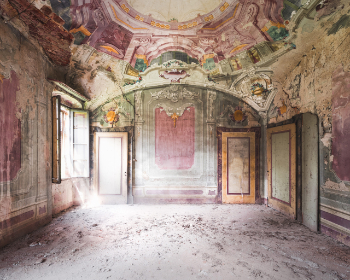
CIOB photography competition is open for entries.
ECA Edmundson apprentice of the year award

Finalists announced.

Major new study exposes serious knowledge gaps.
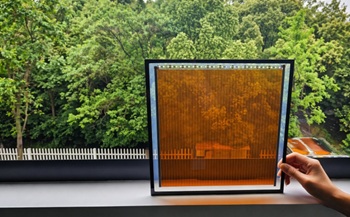
Generating energy from internal light as well as sunshine.

ECA welcomes plans to strengthen subcontractor quality control.

Combining mid-career qualifications with experience broadens career opportunities.

Why being a mentor can help your career.

Channel 4 broadcaster to host 125th anniversary ceremony.
Listed structures on the rail network
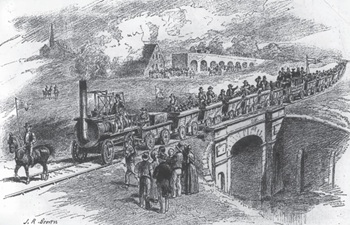
Heritage interests and operational requirements must be balanced.

Historic England publishes research into embodied carbon when retrofitting traditional buildings.

New Prime Minister delivers on ECA call for cut in electricity costs.

CIOB reacts to the announcement of Andy Burnham as Prime Minister.